
iHobbs Academy | Hair Replacement
Professional Training in Non Surgical Hair Replacement.
Develop specialist knowledge and practical skills across non surgical hair replacement through structured professional education built around technique, suitability, responsible practice and client care.
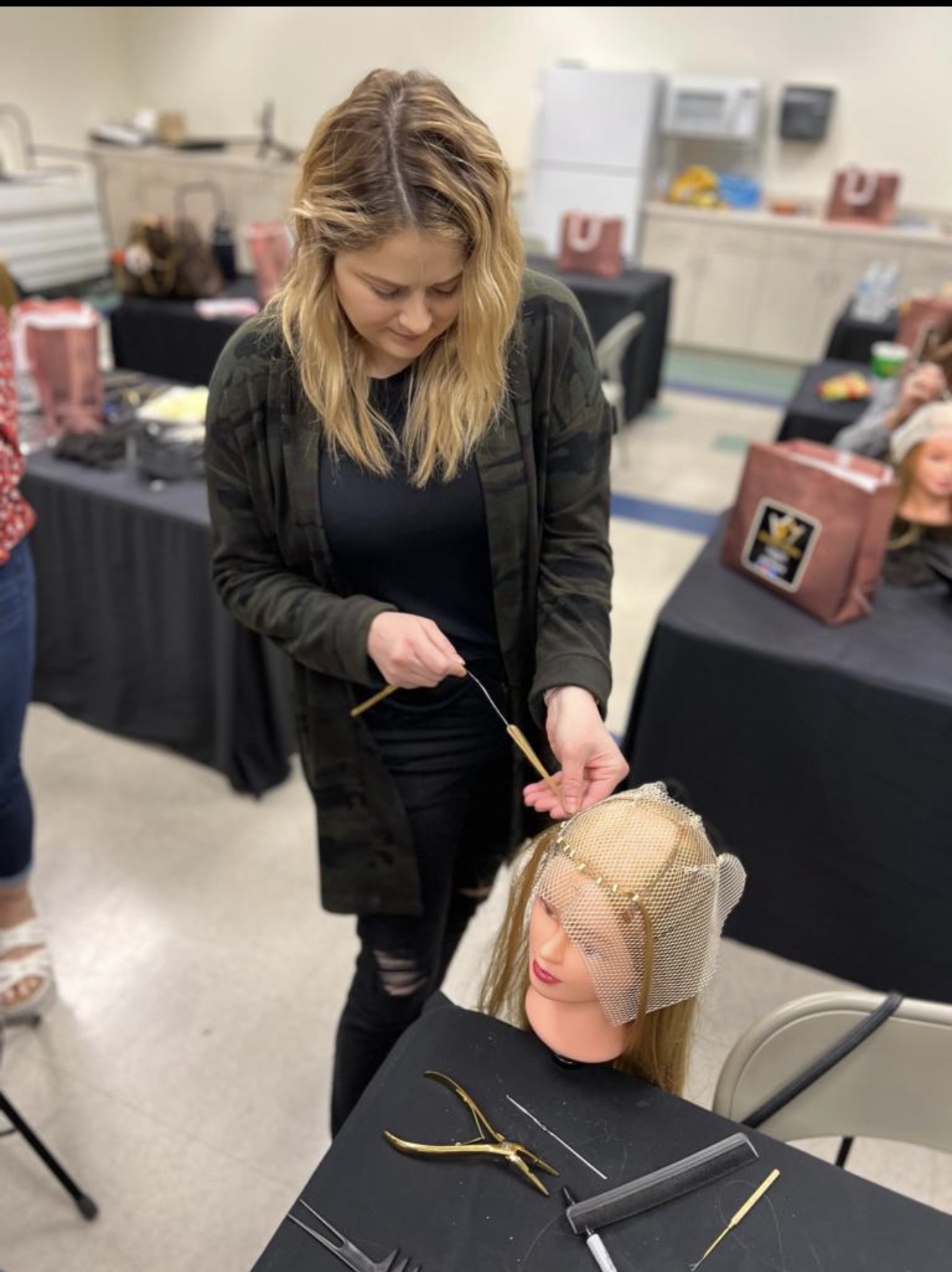
Whether you are beginning your development in integration systems or progressing into more advanced techniques, iHobbs Academy provides clearly defined training pathways so you can choose education appropriate to your current experience.
Training Pathways
Which Hair Replacement Training Is Right for Me?
Each programme has its own course page. Full course detail is published there once confirmed.
Foundational Specialist Training
Mesh Integration Systems
Structured training in mesh integration, covering how the system is prepared, applied and maintained, and the professional considerations that sit around the technique.
Advanced Specialist Training
Crown Integration Advanced
Progression training for practitioners who already work with integration systems and want to develop more advanced crown work. This is not an entry level course.
Hair Enhancement Training
Crown Enhancer / Volumizer Systems
Training focused on enhancement and volumizer systems, including how they differ from full integration work and where they may be appropriate.
Wig Construction & Application
Wig Mastery
Professional wig work covering construction, fitting and application, together with the client care considerations specific to wig wearers.
Find Your Starting Point
Choose Education Appropriate to Your Experience.
Start from where you are now rather than from the most advanced option available.
Specialist Standards
Learning the Method Is Only Part of the Work.
Technical confidence should sit alongside professional judgement, responsible communication and appropriate client care.
iHobbs Academy teaches cosmetic non surgical hair replacement. This is not medical training, and it does not qualify a practitioner to diagnose hair loss, identify a medical cause, or advise on medical treatment. Where medical assessment may be appropriate, the responsible response is referral to a suitably qualified healthcare professional rather than cosmetic intervention.
- Understanding when a technique may or may not be appropriate, rather than applying one method to every client.
- Developing repeatable practical skills rather than simply copying a demonstration.
- Recognising that hair replacement work takes place within a highly personal client experience.
- Understanding the limits of the practitioner's role, and when appropriate referral rather than cosmetic intervention may be required.
Your Hair Replacement Training Pathway
Build the Right Foundation. Then Keep Developing.
Review the individual course information before deciding which training is appropriate for your current level of experience.