
Understanding Before Repetition
Students are taught to understand the reasoning behind a method rather than simply memorising a sequence.
Derry, Northern Ireland | Specialist Hair Loss Clinic & Professional Academy
Why Train With iHobbs
iHobbs Academy exists to develop professionals who understand not only how to perform a technique, but why it is used, when it may be appropriate and what responsibility comes with offering it to the public.
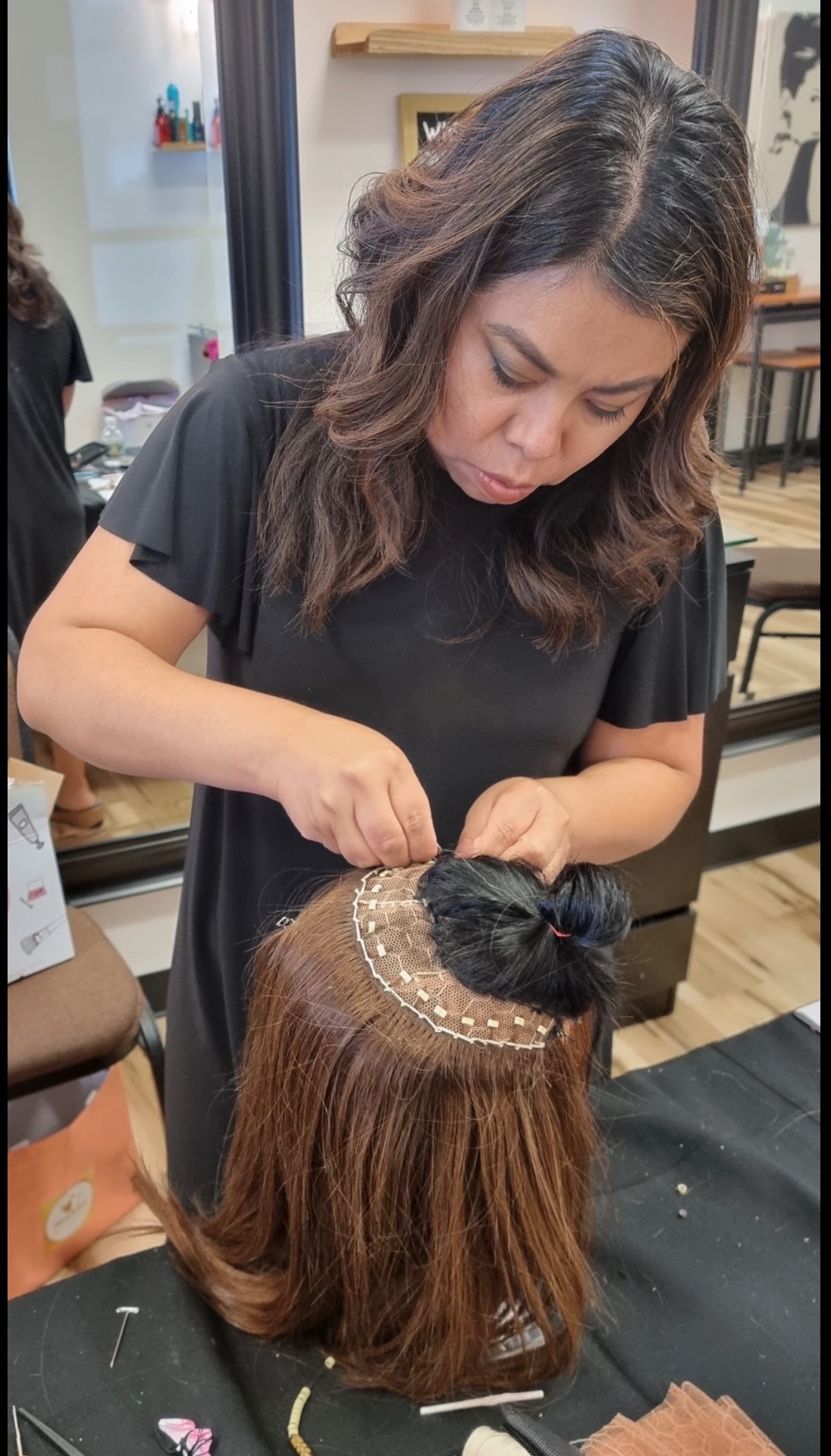
Ethical education requires more than a certificate. It requires sound knowledge, honest assessment, responsible practice and a clear understanding of professional boundaries.
Practice Behind the Education
iHobbs Academy teaches from active professional practice through iHobbs Hair Loss Clinic and iHobbs Hair and Extensions. The education is informed by real consultations, technical decision making, ongoing client care, maintenance responsibilities and the practical realities of delivering specialist services.
Sandra Atoge established the Academy philosophy, teaching approach and professional standards from years of specialist practice and education. The objective is not to create an organisation dependent on one individual, but to establish standards that can be understood, taught and carried forward responsibly.
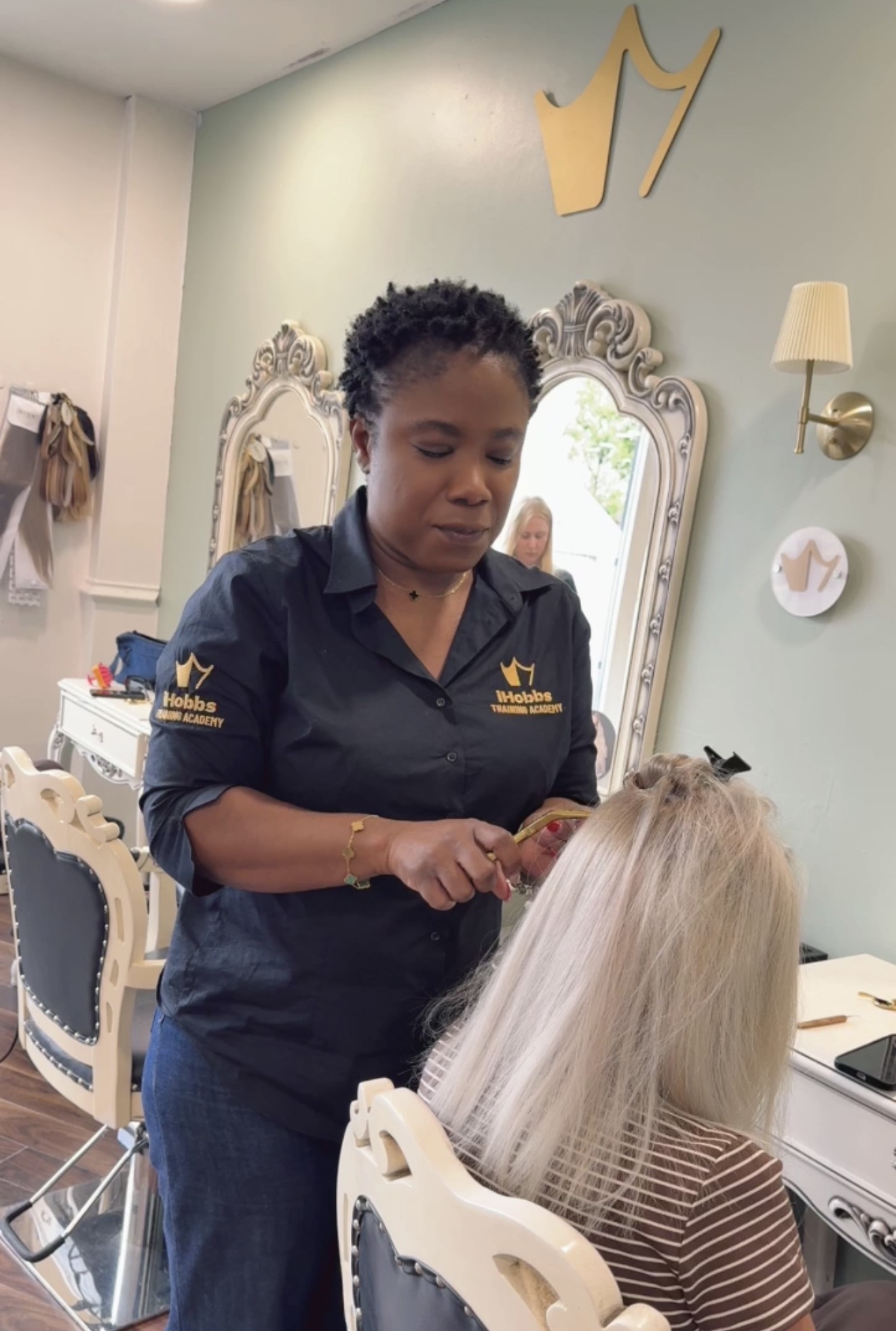
The iHobbs Standard
Students are taught to understand the reasoning behind a method rather than simply memorising a sequence.
Professional judgement includes recognising when a treatment or method may not be appropriate.
Technical learning is connected to client care, maintenance, ethical communication and professional boundaries.
Assessment exists to evaluate understanding and practical capability, not simply to issue a certificate.
Teaching Methodology
The exact learning format, assessment method and practical requirements are confirmed on each individual course page.
Clear and Responsible Education
Accurate Information
Accreditation, certification and assessment are not interchangeable. Each course page states the relevant accreditation status, the certification issued, the assessment requirements and any prerequisites that apply.
Where a course is accredited, that status is stated accurately. Where a programme is not externally accredited, the Academy does not imply that it is.
Evidence with Context
Testimonials show how students experienced the education. Student work demonstrates practical output and developing capability. Professional progression may be shown only where it is authentic, relevant and appropriately verified.
No student evidence is used to guarantee financial or professional outcomes.
Next Steps
Explore the professional training pathways and continue to the individual course page for suitability, delivery, prerequisites, assessment and current course information.